Ollendorff-Bosmat Felowship
Ollendorff Fellowship Launch Event at the Viterbi Faculty of Electrical and Computer Engineering
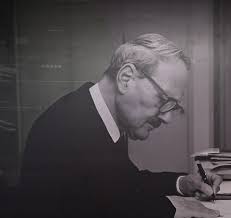
There are teachers who impart knowledge; and there are educators who inspire creative thinking and shape entire lives. Decades after graduating from Bosmat High School, which was affiliated with Technion, Prof. Franz Ollendorff’s former students still recall their collective memories with excitement, gratitude, and fondness. Many say that the curiosity he aroused in them and the deep conviction and values he instilled in them have guided them throughout their personal and professional lives. Today, they are committed to passing that same spirit on to the next generation. On June 17, the Technion Viterbi Faculty of Electrical and Computer Engineering (ECE) held a festive ceremony to launch the Ollendorff Graduate Fellowship; an exciting initiative led by Dr. Amnon Shefi, founder of HiTeach, and Yossi Ackerman, the legendary former President and CEO of Elbit Systems. They were joined by most of their Bosmat classmates from the Class of 1967, many of whom are graduates of Technion’s ECE Faculty. The fellowship was established by the Bosmat Class of 1967 to honor the memory and perpetuate the legacy of Prof. Ollendorff – a giant in science and technology, a pioneering educator, the founder of the Viterbi ECE Faculty, and its first dean. The event was attended by Technion President Prof. Uri Sivan, Vice President Prof. Lihi Zelnik-Manor, ECE Dean Prof. Shahar Kvatinsky, Chairman of Israel Friends of Technion Prof. Peretz Lavie, members of the Bosmat Class of 1967, and distinguished guests. The ceremony was jointly hosted by the Israel Friends of Technion and the Viterbi ECE Faculty. Prof. Yehoshua Zeevi, a former student of Ollendorff and leader of the Ollendorff Legacy Initiative, served as event chair. Alongside heartfelt tributes and personal reflections, innovative research and groundbreaking initiatives were also showcased. Prof. Ido Kaminer delivered a lecture highlighting Ollendorff’s pioneering contributions to the theory and understanding of the first electron microscope, and traced the evolution of the field to today’s most advanced electron microscopy, developed at Technion, based on Free Electron Quantum Optics. A presentation by the winner of the 2026 Chip Hackathon concluded the formal program, showcasing the exceptional caliber of the students’ real-time solutions to sophisticated chip design challenges developed during an overnight “white night” hackathon.The connection between the stories of the past and the achievements of today’s students illustrated the enduring impact of Ollendorff’s legacy. His vision extended far beyond training outstanding engineers; he sought to cultivate curious, ethical, and ambitious individuals capable of strengthening Israel’s position as a global leader in science and technology. It was an evening of remembrance, gratitude, and great pride. It served as a powerful reminder that a true legacy lives on, continuing to spark innovation, inspire discovery, and shape the cultural identity of future generations.